12 min readPublished
What is an IP address?
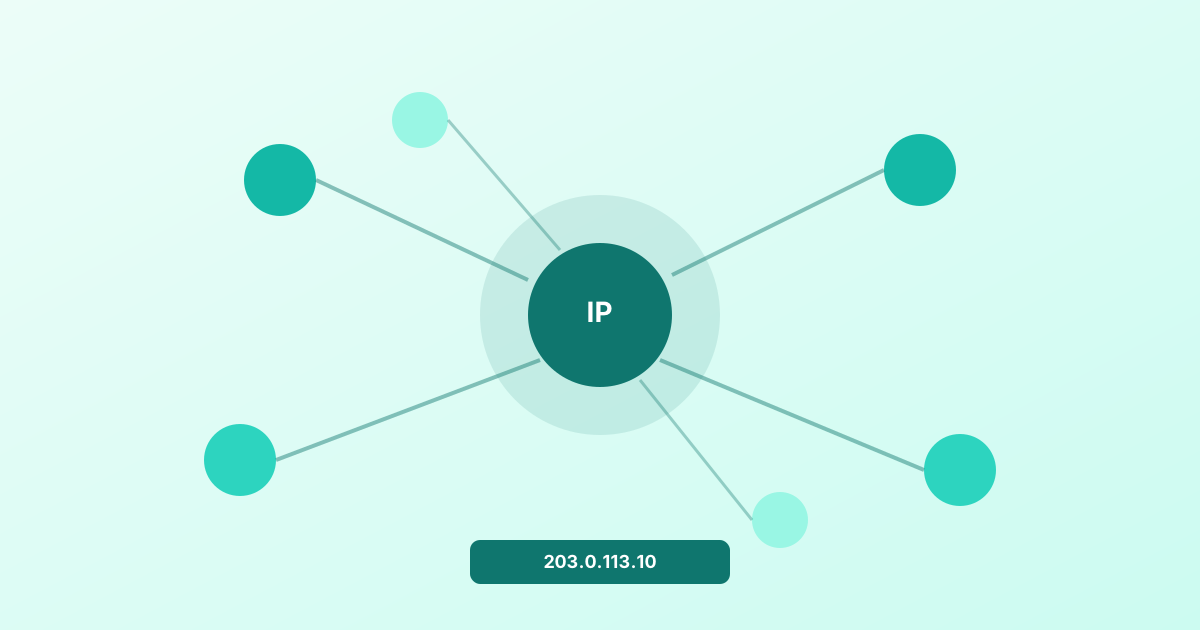
An IP address is a network identifier used to route traffic on the internet and private networks. Here is what it means, how versions differ, and what it can realistically tell you.
Read article
Practical guides to IP addresses, autonomous systems, and IP geolocation—written for people who use network lookup tools.
An IP address is a network identifier used to route traffic on the internet and private networks. Here is what it means, how versions differ, and what it can realistically tell you.
Read article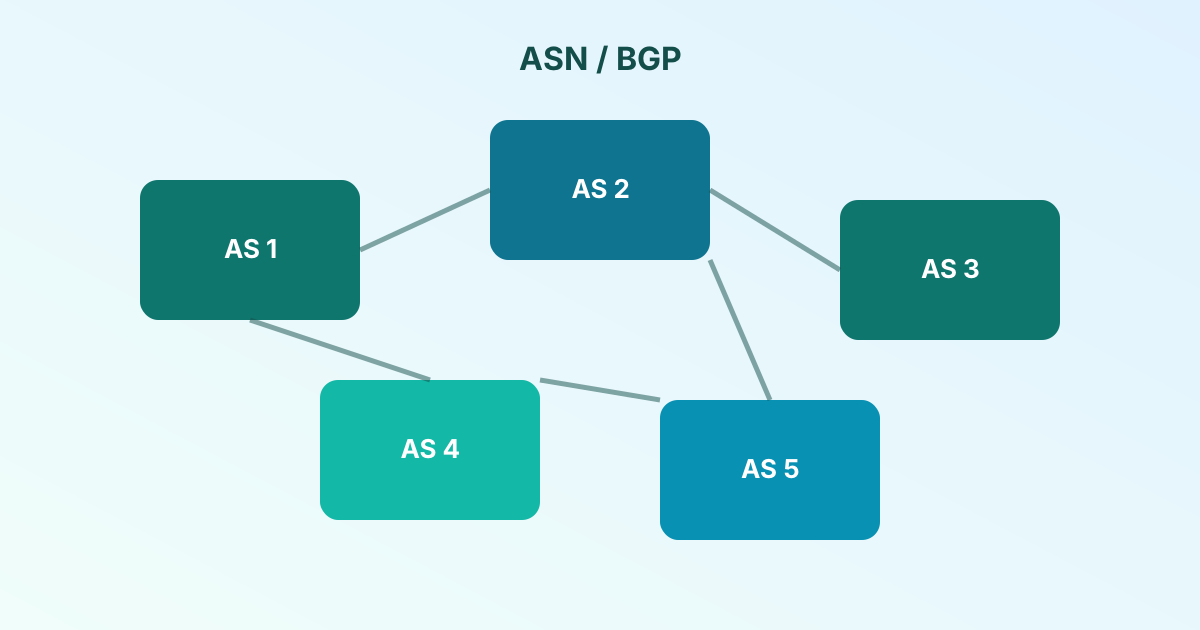
An ASN identifies an autonomous system—a network under a common routing policy. Here is how ASNs relate to IP addresses, ISPs, and BGP.
Read article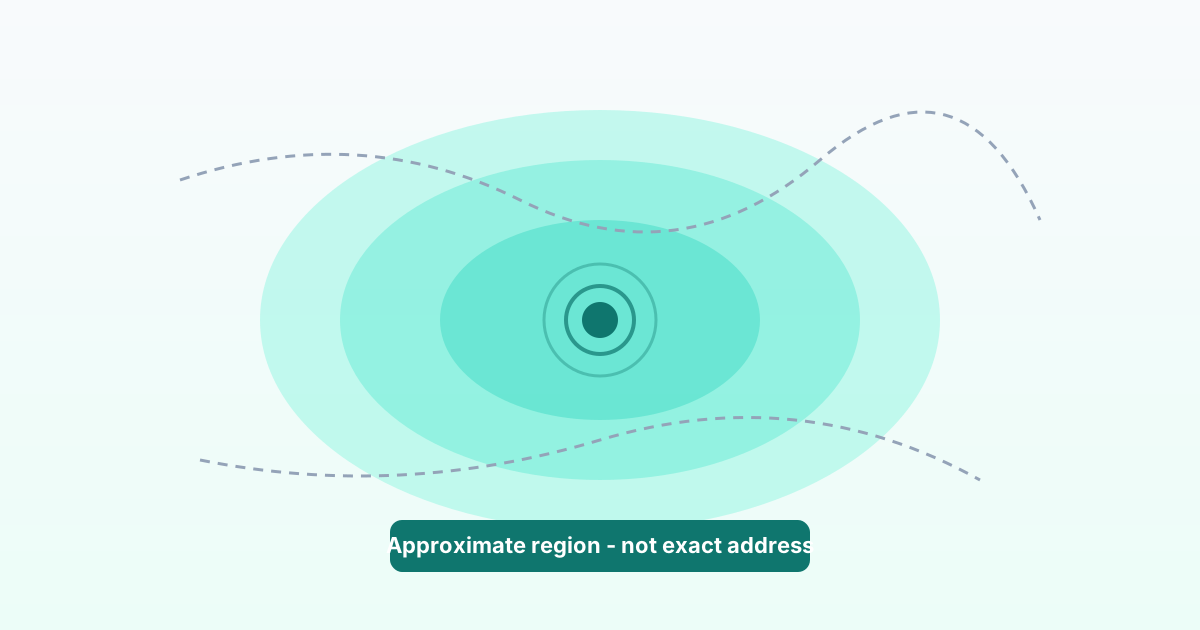
IP geolocation estimates where a public address appears to be on the map. Pair it with ISP and ASN context—and respect the limits.
Read article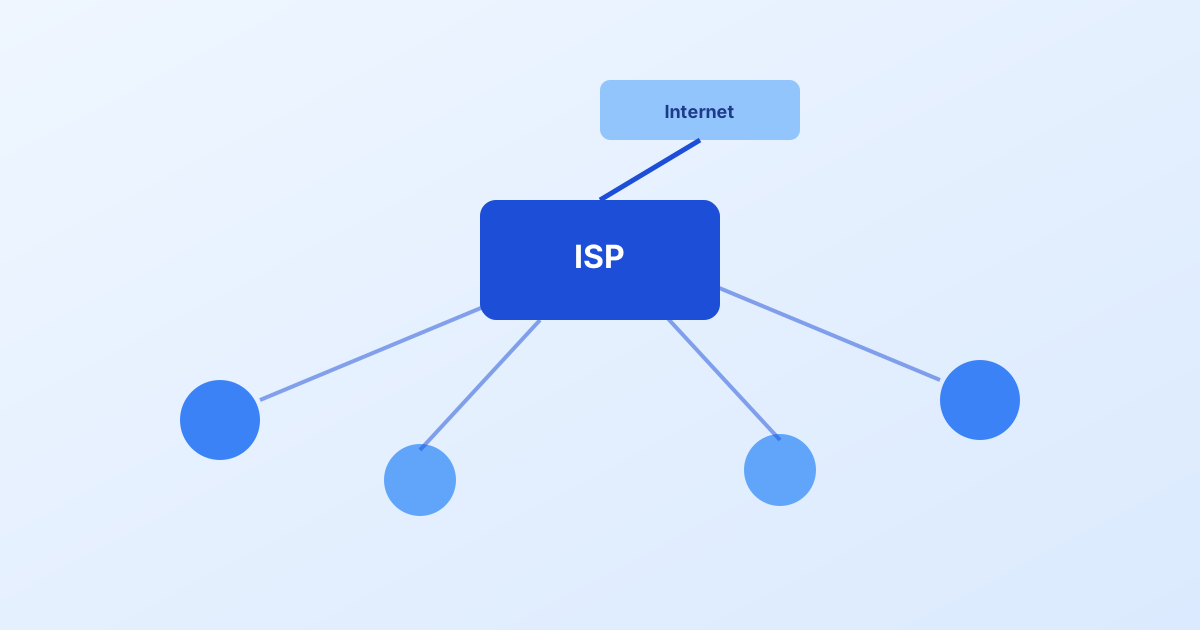
An ISP operates the network that connects you to the internet and often assigns your public IP address. Here is how ISP data fits into IP lookup results.
Read article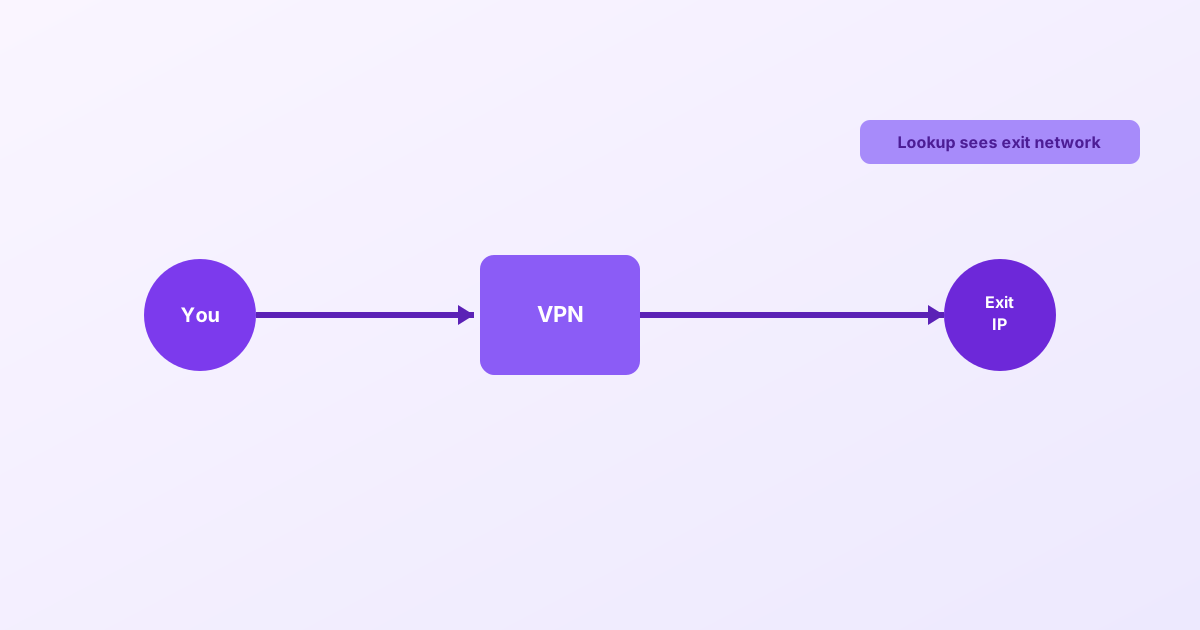
A VPN or proxy routes your traffic through another network, so the public IP—and its geolocation—usually reflects the exit provider, not your home connection.
Read article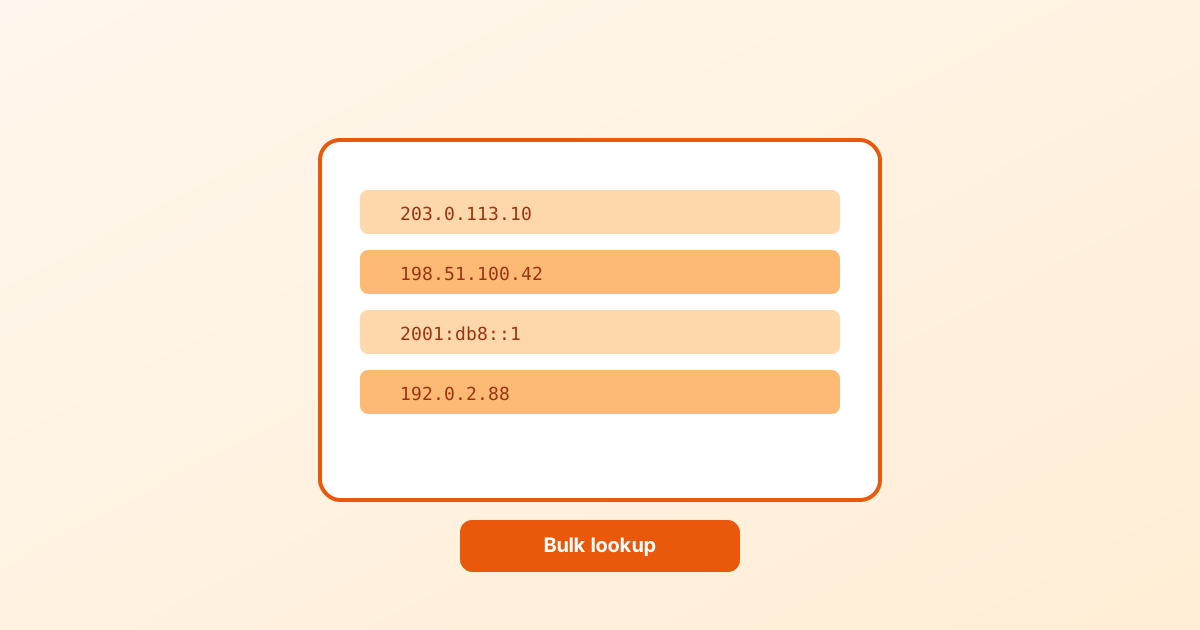
When you have dozens or hundreds of public IPs in a log, bulk lookup saves time. Here is how to use Lokatte’s bulk tool ethically and effectively.
Read article